General Setup & Explanation of the Hanford Station Rotation Model
The Hanford Station Rotation activity was initially created for a middle school Washington State History class, but it can be adapted for other subjects. The teacher can start by giving the included presentation about Hanford history and basic information/context needed before the students begin the station rotation activity. There are notes included on the slides to provide additional guidance/information to the teacher.
Students are divided into groups either randomly or by their choosing. Each table represents a station and has the necessary materials (such as instructions, worksheets, and photos) ready to go. Note that some of the materials included in the specific stations are for teacher use only, and should be shared with students at the appropriate time. Students can cycle randomly through the different stations. The teacher can decide to set up all eight stations or pick just a few. The stations are designed to be independent activities (one station doesn’t build/rely on another). This activity can also be stretched out over multiple weeks or condensed into one or two classes.
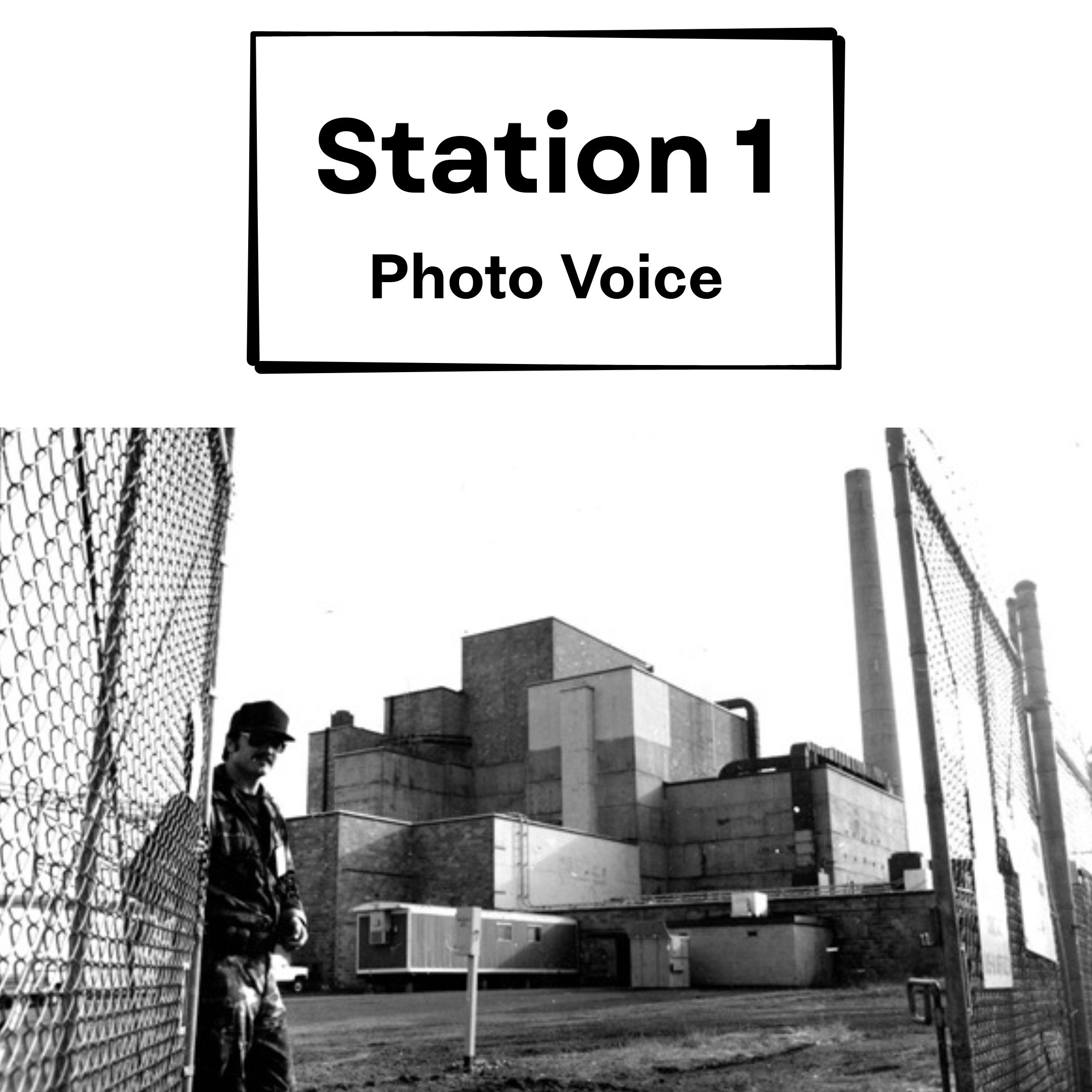
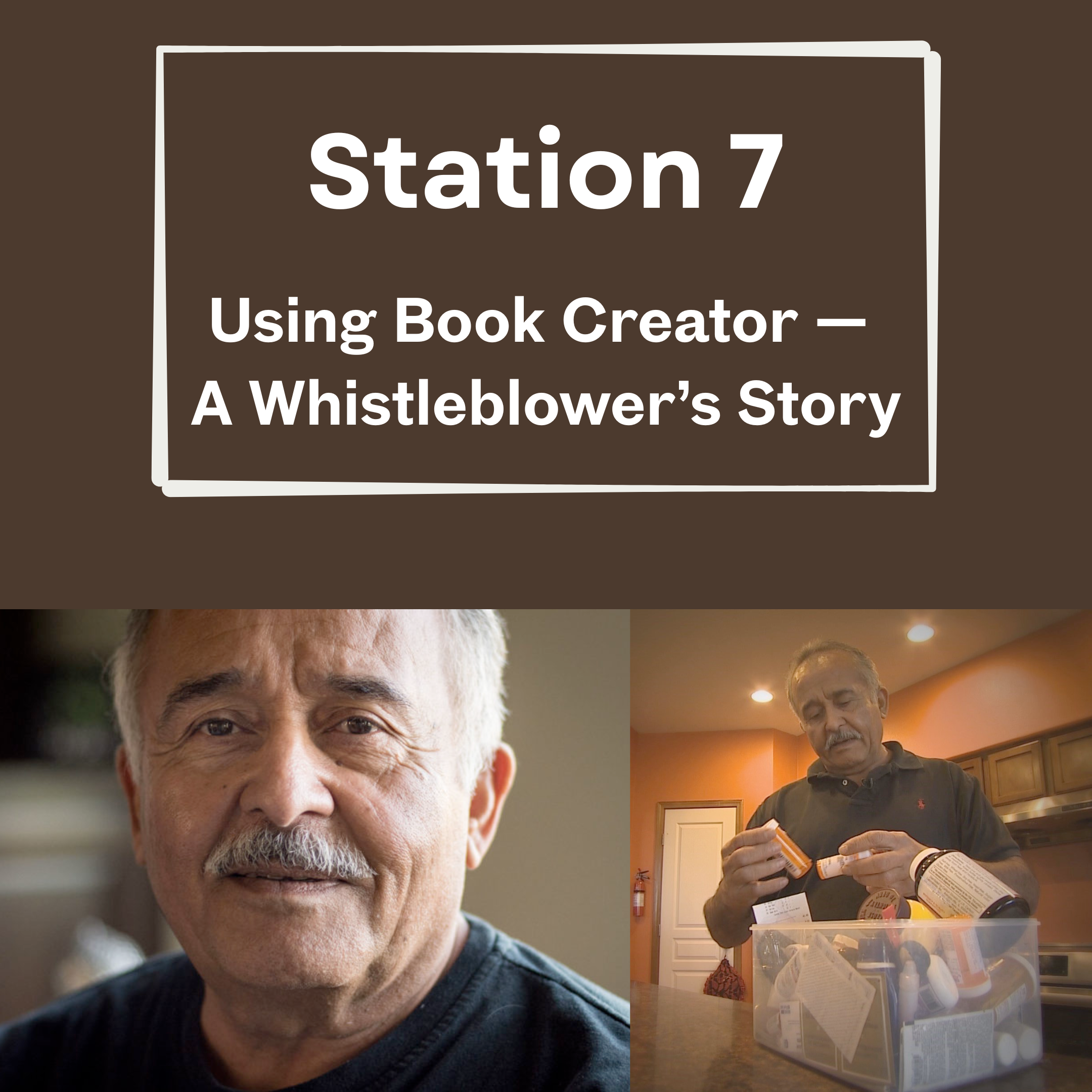
See the Overview of the Stations for a brief description of each station, the specific materials needed, and estimated time needed to complete each station. Stations vary between having students read short texts, watch videos, look at photographs, listen to interviews, design a comic-style book, and free-hand draw/design a memorial.
After students cycle through a few of the stations, the teacher can bring the class back together to debrief and discuss the students’ reactions to the material, what they learned, and key takeaways. Some of the stations have the students create a product (like a Found Poem or a memorial to Hanford workers). These final products can be shared with the whole class after all the students have had a chance to visit those stations.
In the document, Examples of Student Work, you’ll see that a previous class ended the Hanford Station Rotation unit by writing a letter or postcard to the White House. Students drafted an initial message and their teacher reviewed, edited, and provided feedback on it before the students wrote and sent in their final message. Students wrote their own message based on what they learned in class. The drafting and revision process was key for polishing their thoughts and ideas. This final take action opportunity was a favorite for students in the class. Contact us about opportunities for students to take action.
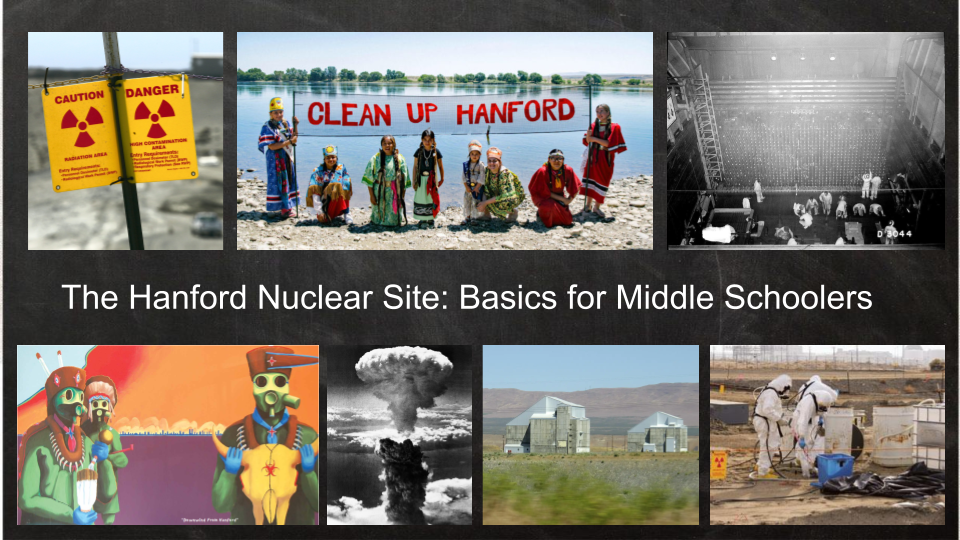
Presentation to share basic background & history prior to starting Station Rotation activity

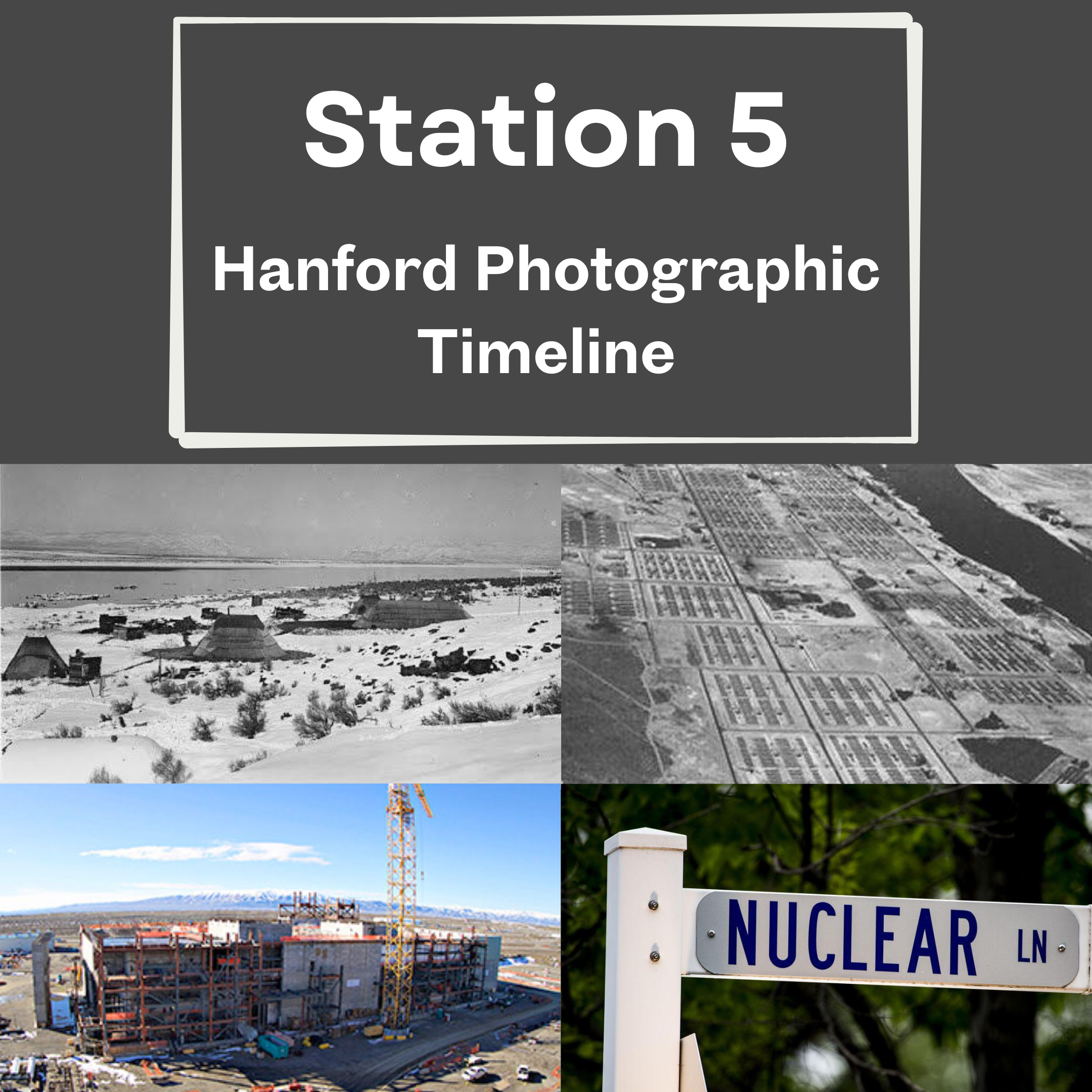
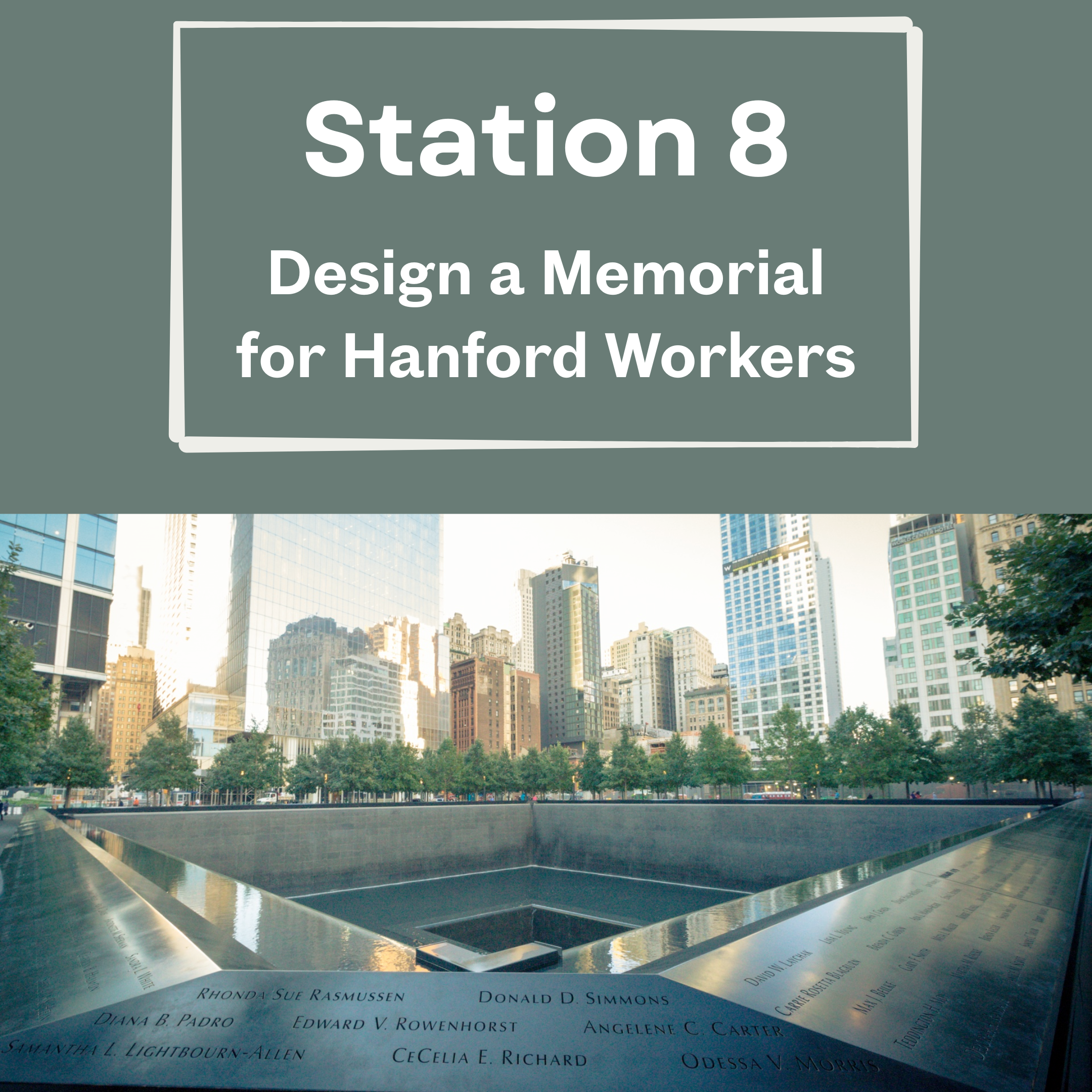
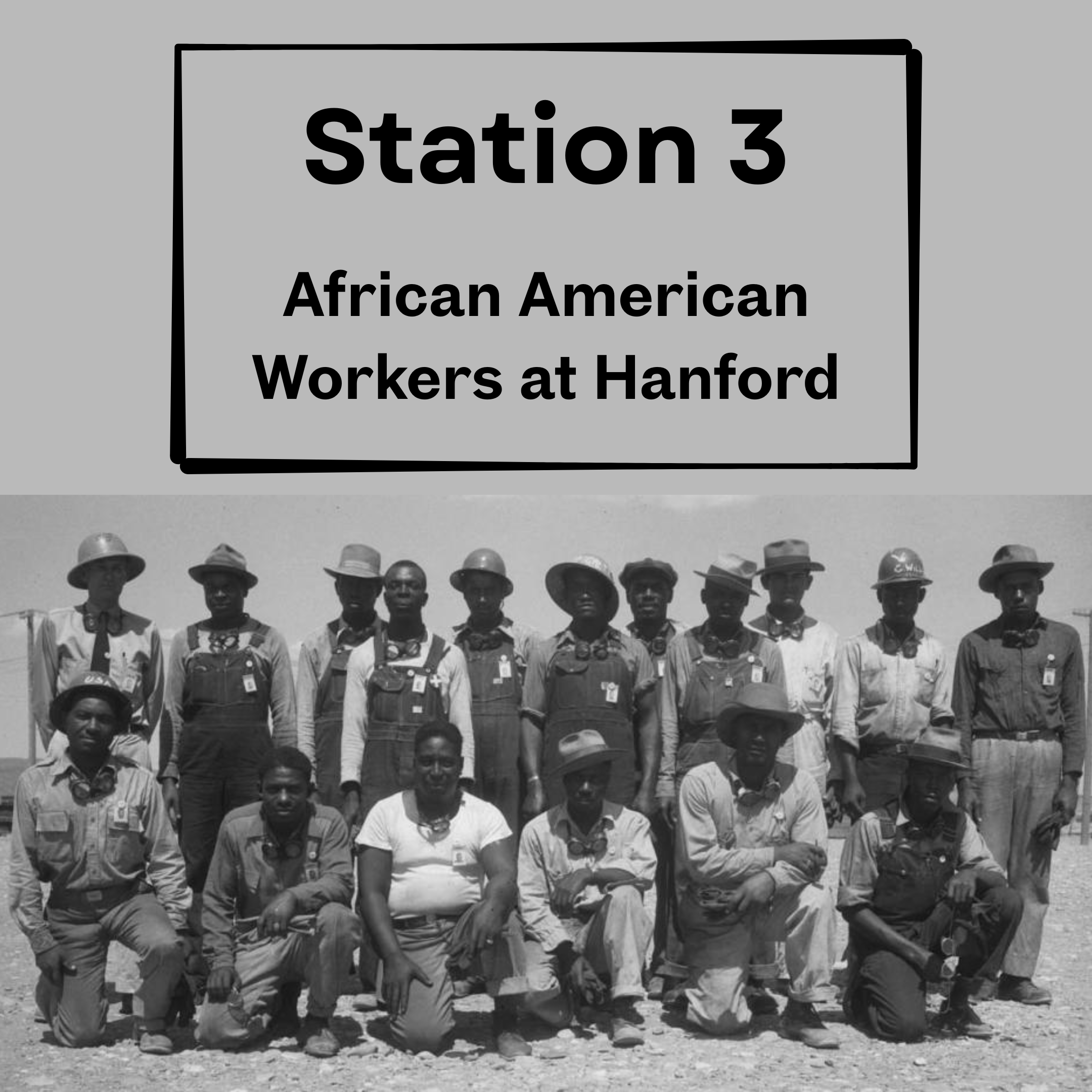
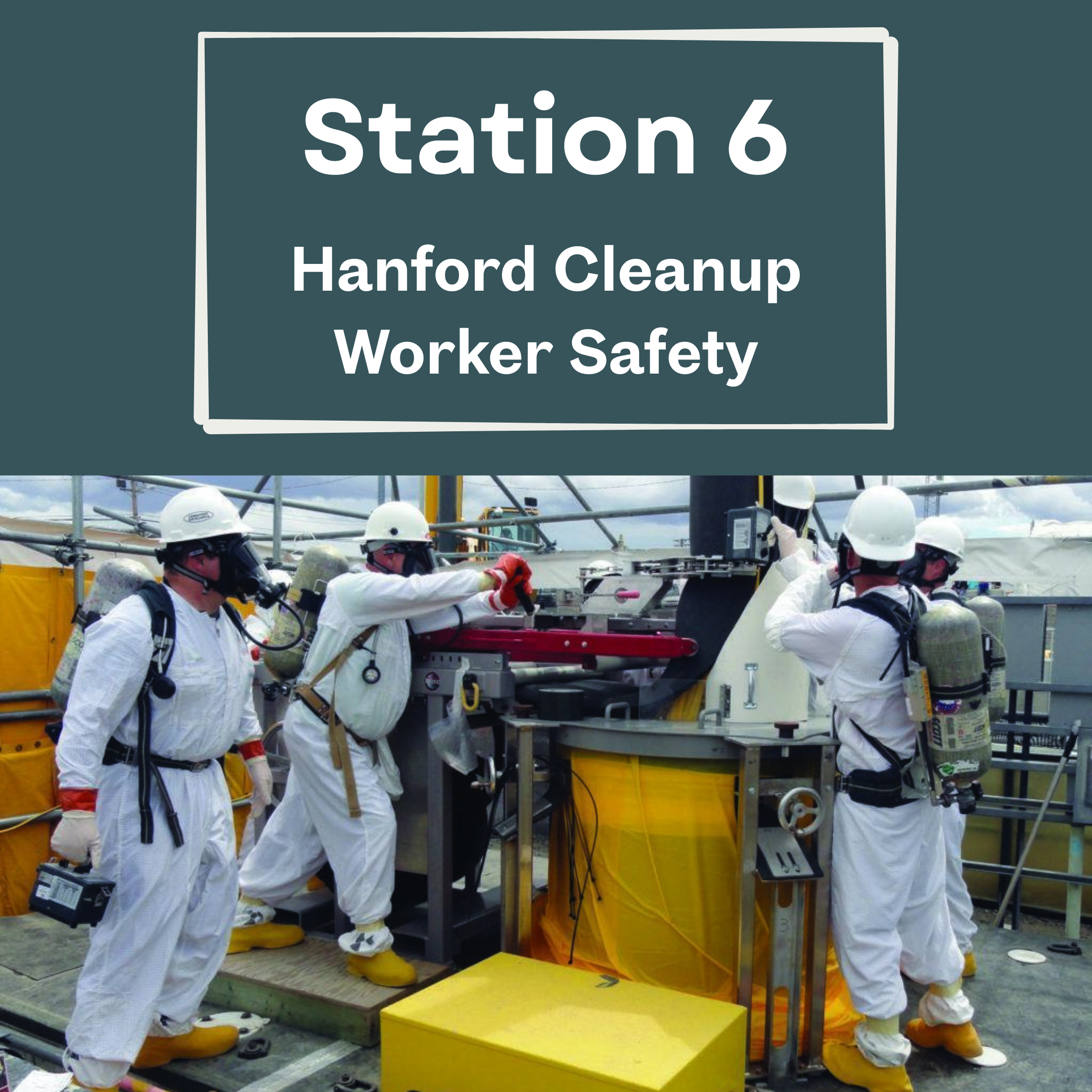
We are sharing the station rotation modules to encourage educators to work with non-profit organizations with expertise and connections on different issues to develop engaging content for the classroom, especially on complex topics such as nuclear waste management. We encourage you to adapt the lessons to the time you have available and age of your students.
Please let us know if you have questions or are looking for something in particular. We’re happy to help and will be adding more to our Teaching Hanford webpage as we develop new content for educators.
Access all Hanford Station Rotation files: https://tinyurl.com/HanfordStationRotation
Connect with us directly:
Liz Mattson, Hanford Challenge lizm@hanfordchallenge.org
Miya Burke, Hanford Challenge miyab@hanfordchallenge.org
Funded in part by a Public Participation Grant from the Washington State Department of Ecology.